Date:
Began 2022; ongoing project
Design Goals
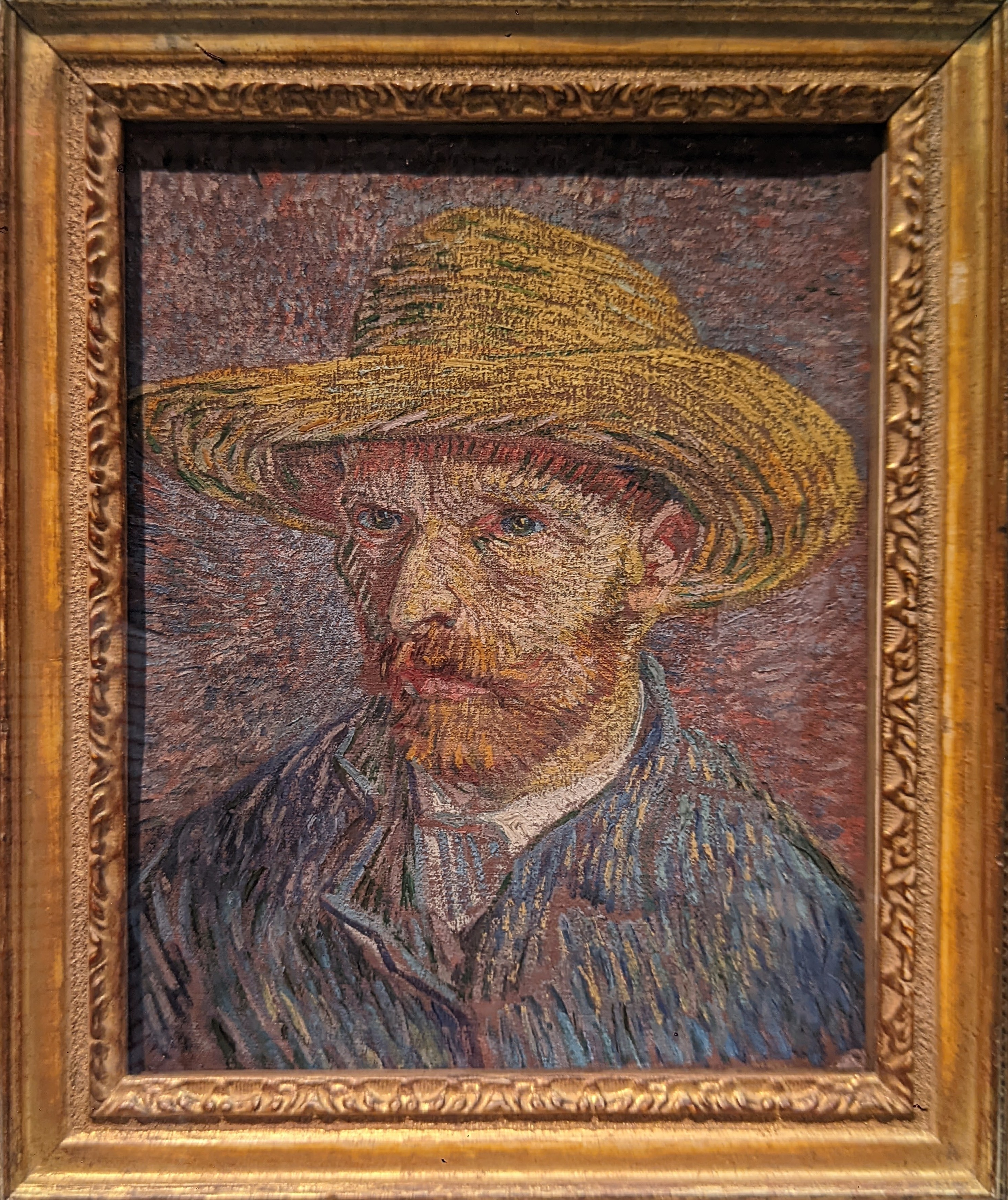
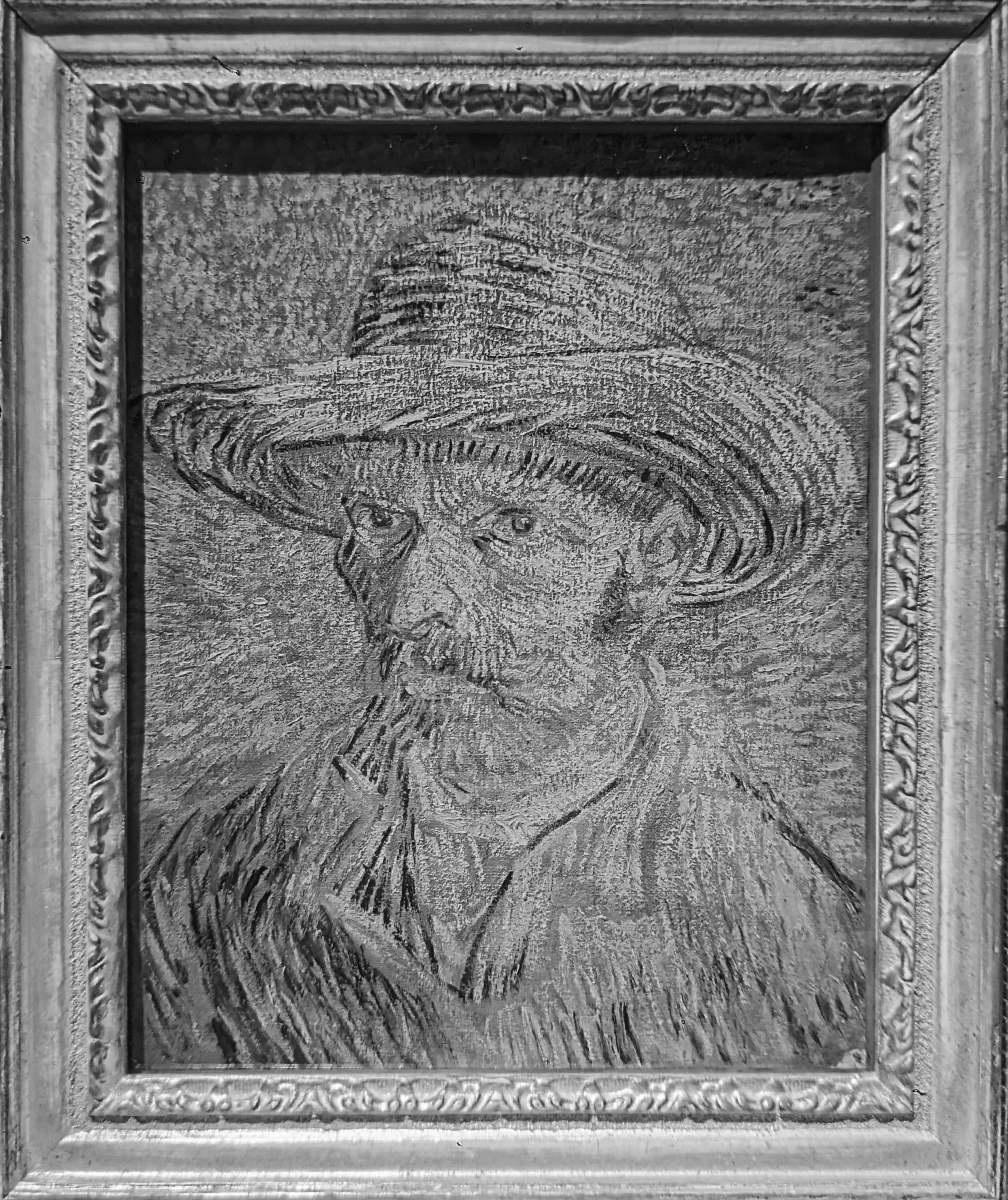
Conventional systems for technical imaging for cultural heritage preservation require a DSLR, modified to remove the IR/UV cut filter, as well as a costly set of filters and tunable light sources. This system can easily cost several thousand dollars, and requires significant setup time, studio space, as well as technical knowledge and supporting hardware/software.
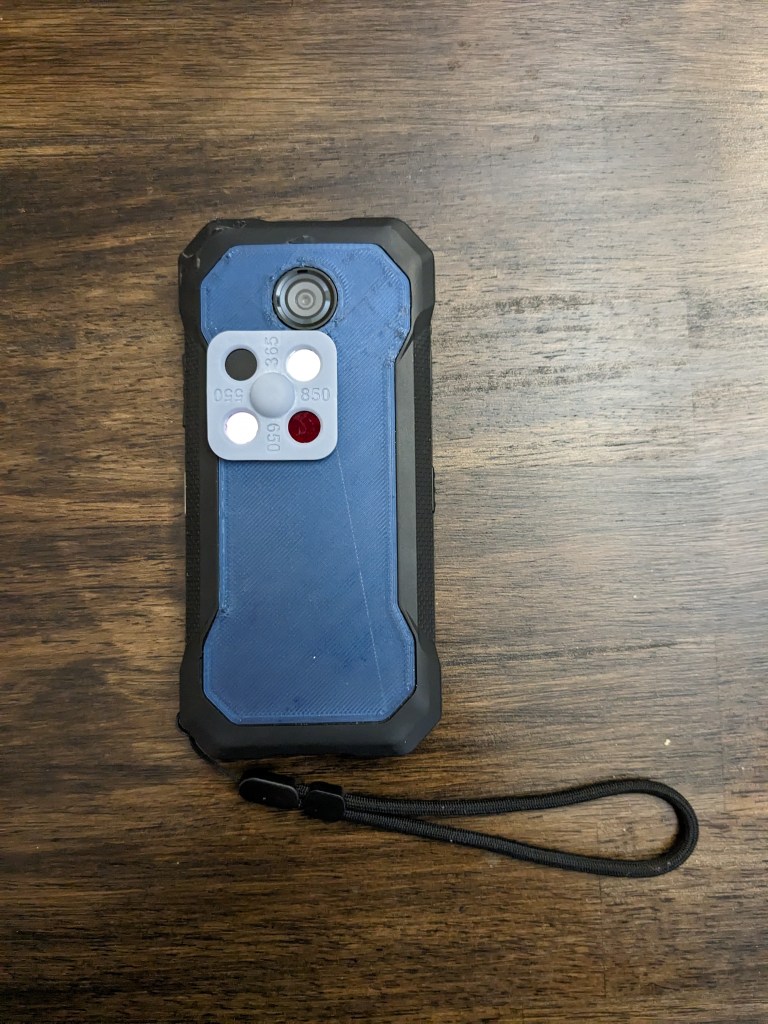
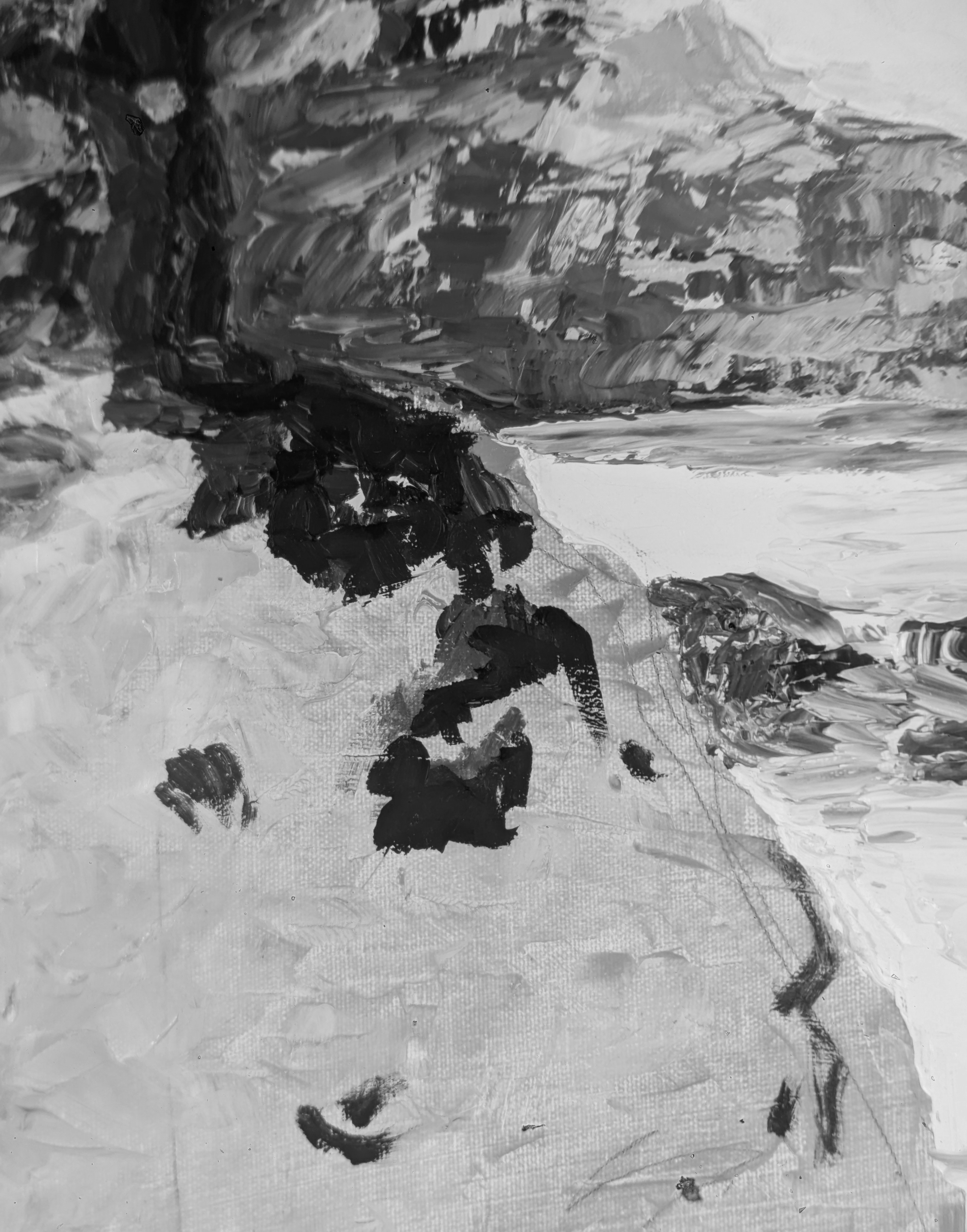
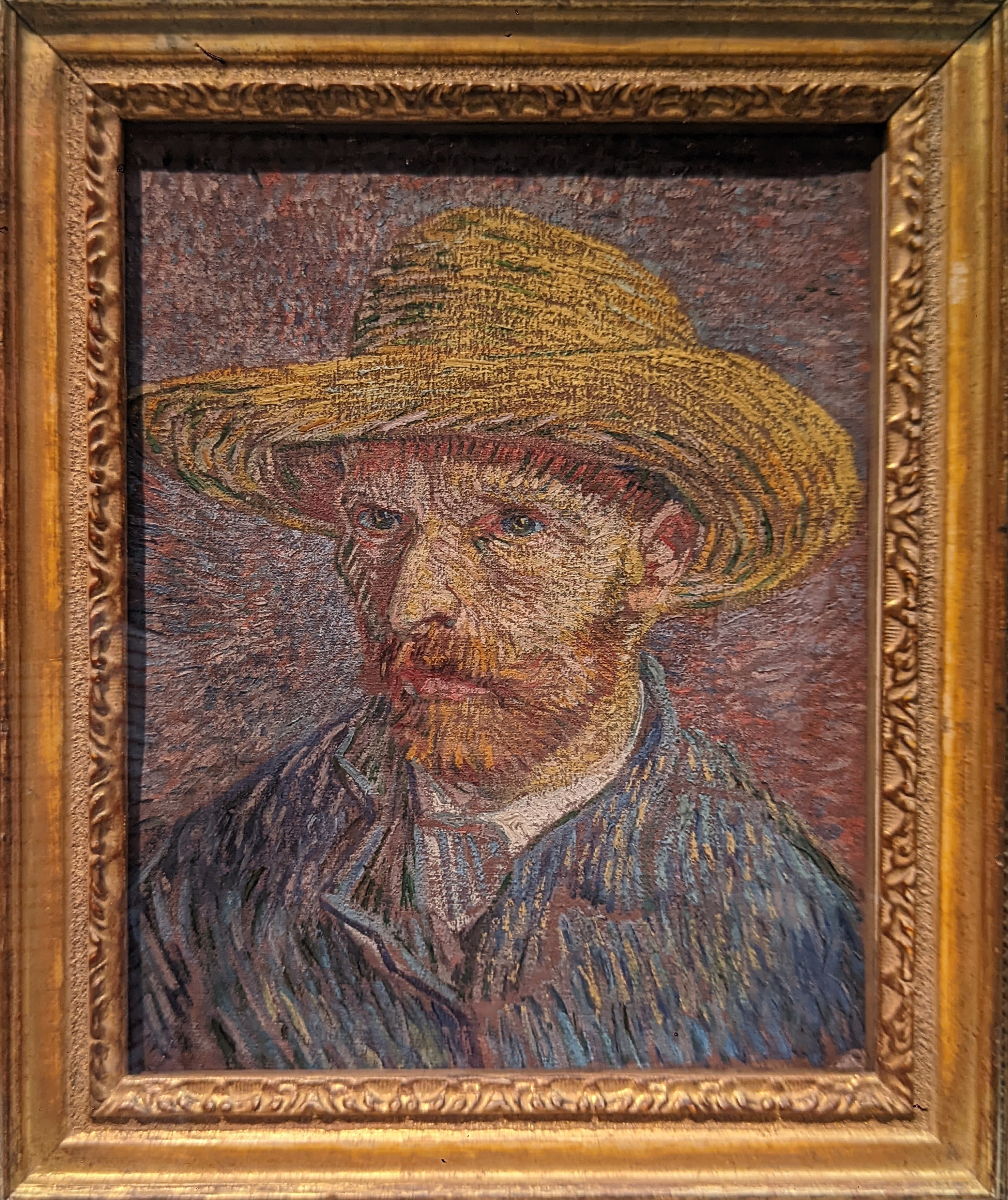
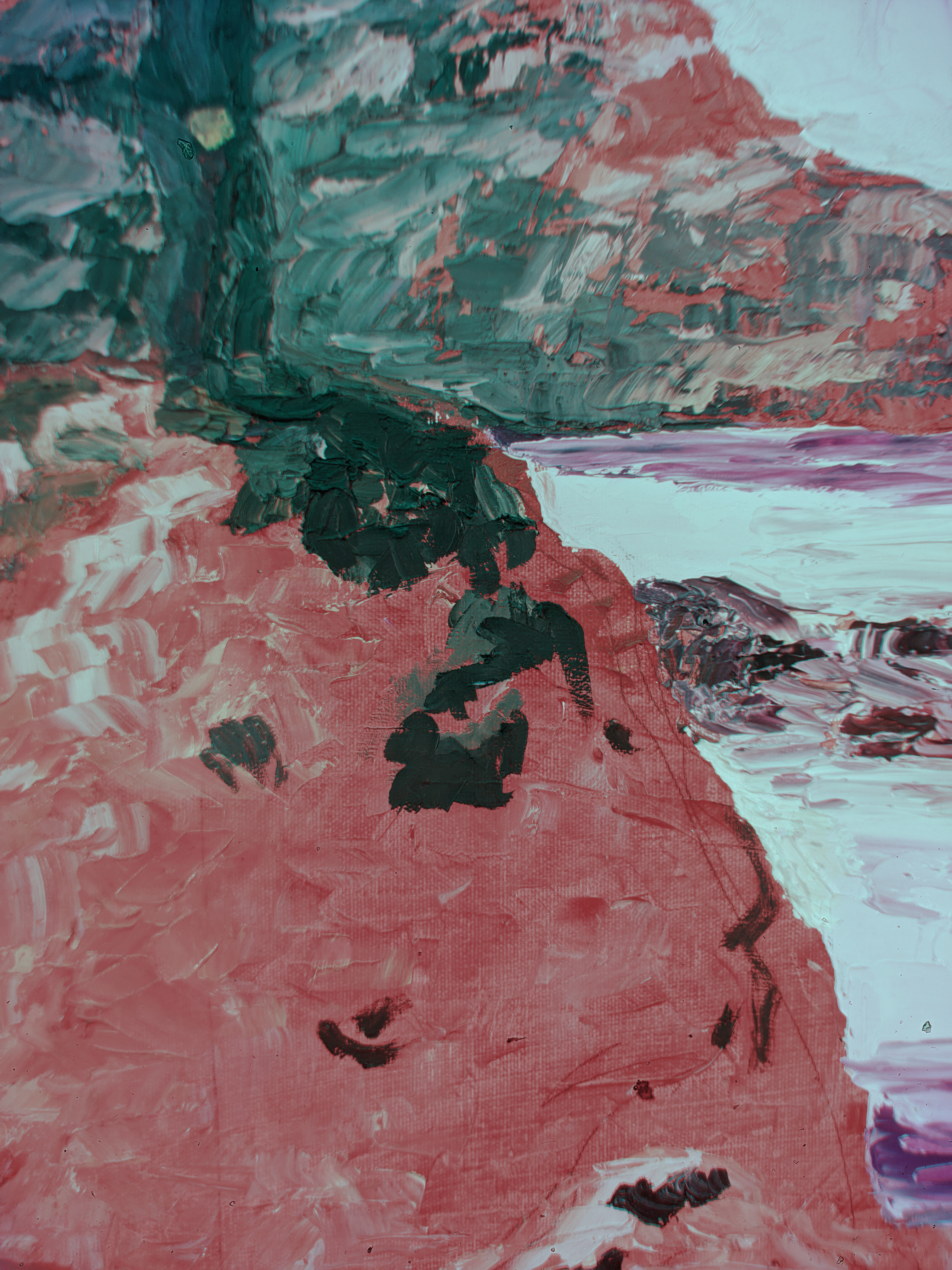
Smartphone photography has advanced significantly in the past few years, and this quickly-narrowing gap between full-frame and smartphone cameras prompted the initial question for this research: “is it possible to modify a smartphone to enable full-spectrum technical imaging?” The goal of this project has been to create an affordable, adaptable, and portable system for technical photography and multispectral analysis that also leverages a smartphone’s on-board processing power for computational imaging. To this effect, I have developed modifications for several smartphones: the Pixel 3a, which requires the removal of the integrated IR/UV cut filter, and the Doogee S61, which already includes an IR-enabled camera. Custom 3D printed cases were made to hold wheels for quickly switching between filters such as UV shortpass, IR longpass, polarized, and bandpass filters from 365-1040nm. Custom modules containing full-spectrum and specific-wavelength LEDs provide affordable light sources, and plug into the smartphone’s USB port. The low cost of the smartphone models, use of 3d printed components, and small 10mm filters lower the cost of a full multispectral imaging system from thousands of dollars for a DSLR setup to a few hundred.
In addition to its low cost, using a smartphone as the basis for an imaging system makes for a portable, rapid camera with a very small learning curve. A reference app developed for the smartphone lowers the barrier of entry for students and other professionals in the field by providing step-by-step instructions on performing different imaging techniques. The end goal of the app is to interface with a server for photo upload, conservation-specific photo editing, and various types of processing for computational imaging.
Possible applications of this system include equipping conservation students with their own multispectral cameras for instructional purposes, enabling private conservators without extensive resources to do technical analysis, and even providing conservators at large institutions with tools for rapid, on-site assessment to help inform further analysis, treatments, and preventive conservation. Increasing access to tools for technical analysis fundamentally benefits the field of conservation by informing professionals about condition issues and expanding the knowledge base of everyone working in cultural heritage preservation.
 Sean T Portfolio and projects